
Global climate summits result in ambitious commitments but often fail to achieve significant domestic progress. Effective environmental policies hinge on robust domestic legislation that fosters accountability and guides investment. In the water and energy sectors, the challenge is less about generating clean energy and is now shifting to sustainability of water sources, and the challenges of integrating intermitent power onto grids that are built to manage baseload power.
Author Archives: wilsonpearce
Canadian Strategies to Address US Tariff Uncertainty

Recent U.S. tariff moves have created alarm — but the practical effect is more nuanced than headlines suggest. The combined impact of the USMCA (United States–Mexico–Canada Agreement) and exemptions for energy means the vast majority of Canadian exports remain outside the bite of the newest U.S. duties. Independent reporting shows that roughly 90–95% of Canada’sContinueContinue reading “Canadian Strategies to Address US Tariff Uncertainty”
Chinese Brands: A Catalyst for Economic Growth

The Economist’s article discusses how Chinese brands are advancing beyond low-cost manufacturing, fostering innovation and competition globally. Protectionist measures in North America and Europe may inhibit domestic growth and innovation. Instead of exclusion, strategic engagement is suggested to enhance competitiveness and adapt to evolving trade dynamics, recognizing the need for collaboration and resilience.
Understanding How Non-Tariff Barriers Shape Global Trade

Non-Tariff Barriers (NTBs) significantly influence global trade flows, often presenting hidden costs and challenges beyond the visible tariffs. NTBs include financial restrictions like the control of clearing houses, international insurance limitations, and stringent domestic labeling requirements, which can impede foreign competition. Other NTBs involve bureaucratic delays, import quotas, and digital trade restrictions. Understanding these barriers is crucial for businesses, as they can disrupt trade and increase operational costs just as much as tariffs.
Key Strategies for Managing International Teams

The COVID-19 pandemic challenged companies to adapt to managing remote teams, teaching important lessons in leadership. Poor management practices can diminish productivity, with micromanagement and disengagement causing significant issues. Successful international teams thrive on adaptation, fostering local insights, and innovation to enhance business performance. Effective managers engage both virtually and in-person, recognizing the value of local offices in company growth. Striking a balance between oversight and collaboration is essential for establishing high-performing international teams.
Trump and Mercantilism: Implications for International Business
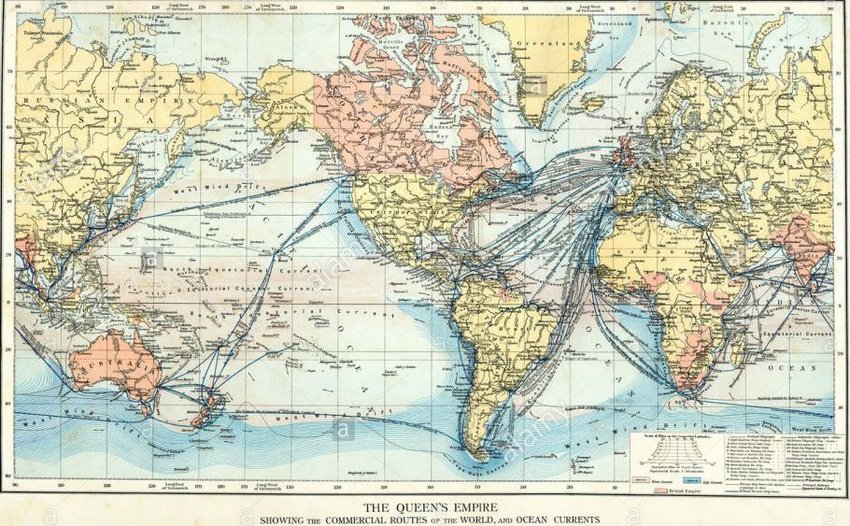
Mercantilism, an economic theory prevalent from the 16th to 18th centuries, has seen a resurgence in the 21st century, particularly through U.S. trade policies. Trump’s “America First” strategy seeks to bolster domestic manufacturing and resource control, aligning with classical mercantilist principles. However, these approaches risk isolating the U.S. in a global economy increasingly shifting towards regional trade and diversity. Businesses must adapt by diversifying partnerships, leveraging trade agreements, and enhancing supply chain resilience to mitigate risks and seize new opportunities in a changing landscape.
Beavers vs Bureaucrats

A recent news story out of the Czech Republic highlights an amusing but insightful lesson in problem-solving. Local officials had been debating for years about building dams in a protected landscape area to help restore wetlands and manage water flow. While committees deliberated, funds were allocated, and plans were drawn up, a group of beaversContinueContinue reading “Beavers vs Bureaucrats”
Are Trade Barriers Good for Business? Part 3 – Innovation in the Tech Sector & the DeepSeek Story

In a world where trade policies are increasingly weaponized, we find ourselves facing yet another example of the unintended consequences of protectionist measures. The emergence of China’s DeepSeek AI model is a compelling case study in what could become a recurring theme in this blog. U.S. restrictions on exporting advanced NVIDIA chips to China wereContinueContinue reading “Are Trade Barriers Good for Business? Part 3 – Innovation in the Tech Sector & the DeepSeek Story”
Enhancing Procurement and Transparency in Indonesia

The Islands of Integrity (SIPS) initiative in Indonesia aimed to reduce corruption in sub-national governments through collaboration with the Corruption Eradication Commission and ten regional administrations. Over five years, it improved public satisfaction, established operational One-Stop-Service Centers, and enhanced procurement processes, while also assisting KPK in developing new corruption diagnostic tools.
Are Trade Barriers Good for Business? Part II: Sanctions

Trade barriers and geopolitical tensions shape global trade dynamics. The U.S. dollar’s dominance is waning, prompting countries to develop alternative financial systems, impacting sanctions and necessitating adaptation by businesses.
 PGTS Inc.