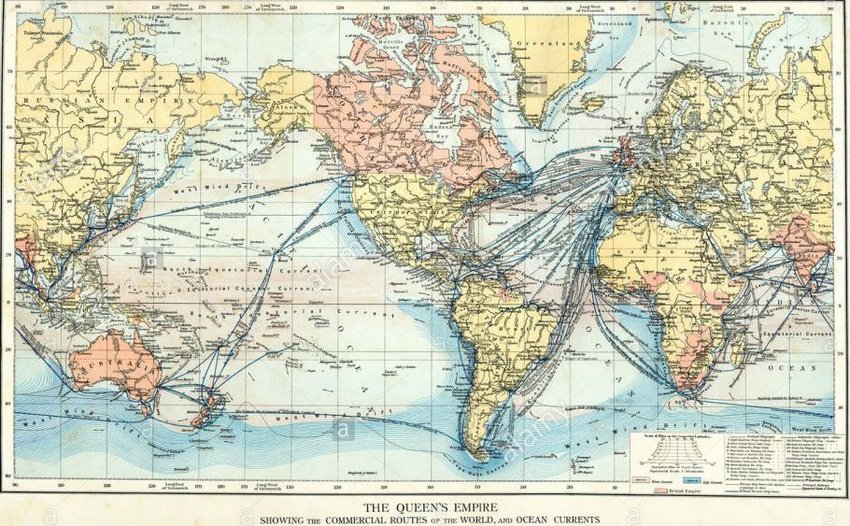
Mercantilism, an economic theory prevalent from the 16th to 18th centuries, has seen a resurgence in the 21st century, particularly through U.S. trade policies. Trump’s “America First” strategy seeks to bolster domestic manufacturing and resource control, aligning with classical mercantilist principles. However, these approaches risk isolating the U.S. in a global economy increasingly shifting towards regional trade and diversity. Businesses must adapt by diversifying partnerships, leveraging trade agreements, and enhancing supply chain resilience to mitigate risks and seize new opportunities in a changing landscape.
Tag Archives: regional trade
Factors Influencing Intra-Regional Trade in the Caribbean

The Caribbean Development Bank’s recent panel discussion revealed that despite geographical proximity among CARICOM member states, intra-regional trade remains critically low at only 16%. Historical, regulatory, and socio-cultural factors hinder trade. A coordinated approach, including streamlined regulations and infrastructure investments, is essential to enhance trade connectivity and stimulate economic growth.
 PGTS Inc.